
Six Seats and a Third Row: Who Actually Fits in a 2027 Kia Sorento PHEV?
September 21 2026,
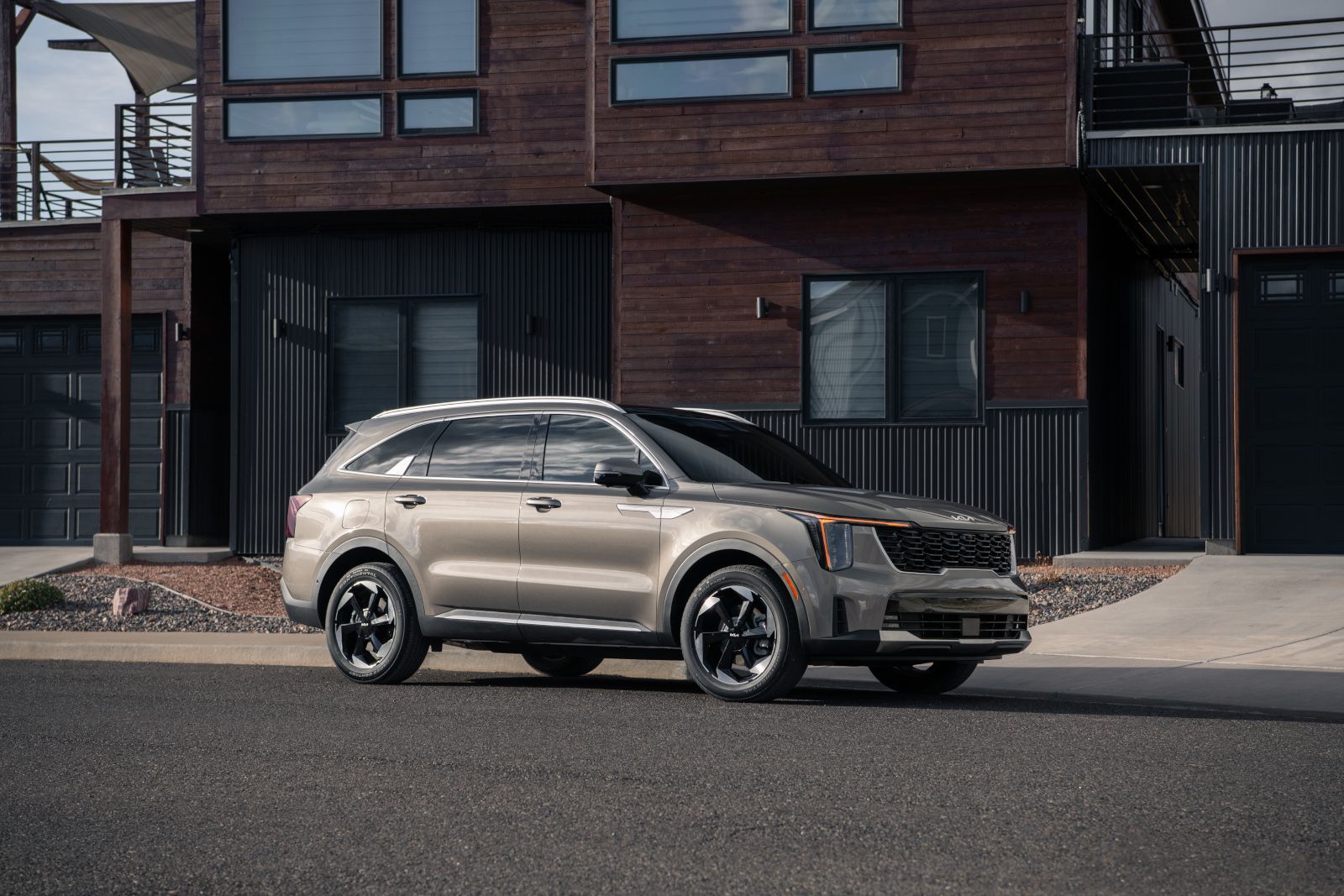
A three-row SUV promises flexibility, but the promise only matters if the third row actually gets used. If you’re weighing the 2027 Sorento PHEV for a Nova Scotia household, the real question isn’t horsepower or range. It’s whether the seats behind the second row work for your family, your gear, and your weekend routine.
How Many People Can the Sorento PHEV Seat?
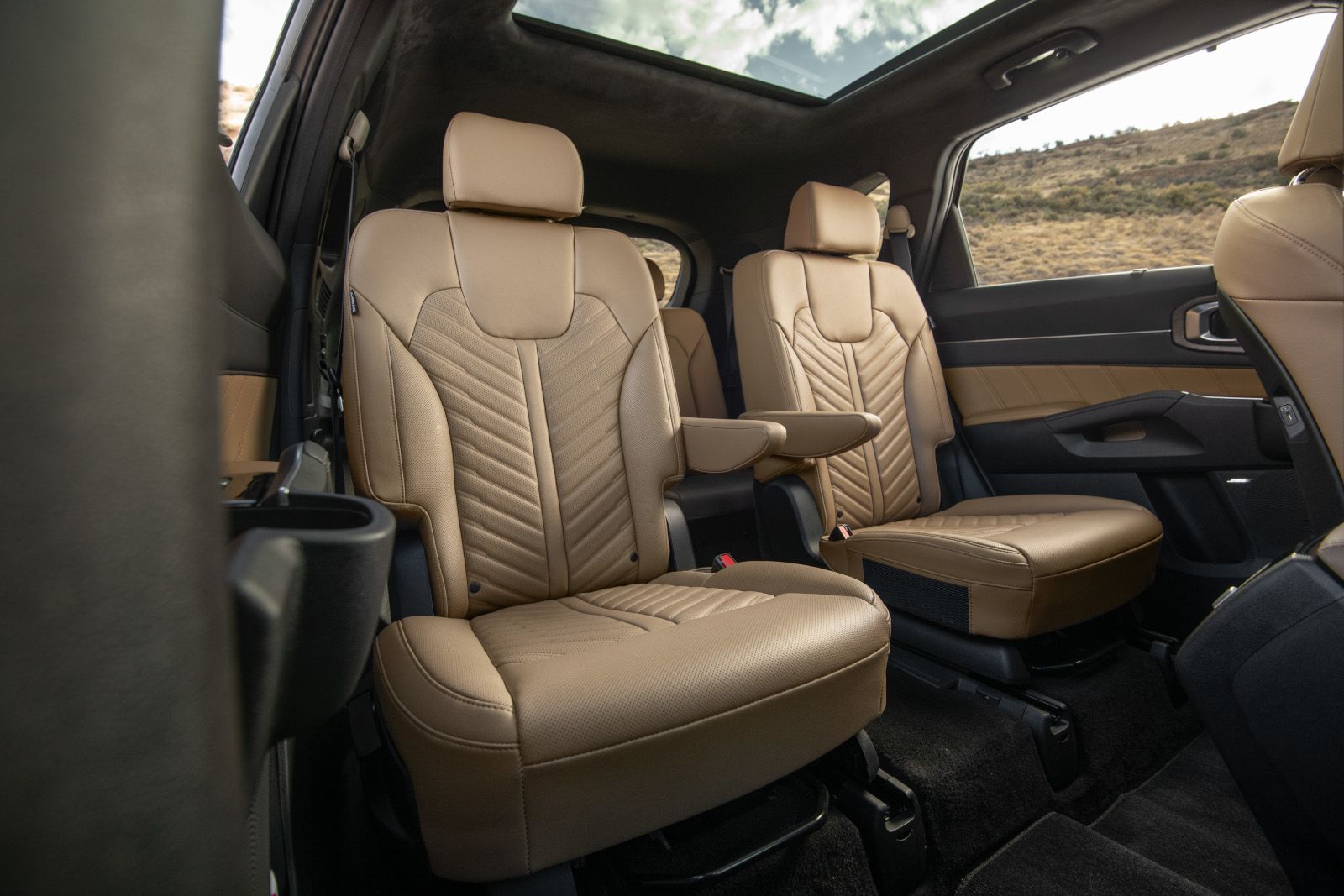
Every 2027 Sorento PHEV trim, LX, EX, and SX, is built as a six-passenger vehicle with two second-row captain’s chairs instead of a bench. That’s a different layout than the Sorento Hybrid, where the LX and EX trims offer 7-passenger seating with a three-across second-row bench.
The six-seat PHEV setup trades one middle seat for two individual second-row chairs with their own armrests. For a family that rarely fills all seven positions anyway, that’s a real upgrade in comfort, not a compromise. For a household that regularly needs to seat seven, the distinction matters and is worth confirming against your actual passenger count.
What Is the Second Row Like Day to Day?
The second-row captain’s chairs slide and include an Easy Walk-In function, so accessing the third row doesn’t require folding the whole seat flat first. Second-row legroom measures 1,024 mm, with 994 mm of headroom and 1,399 mm of hip room, comfortable territory for adults on a highway run or a booster-seat child on a school-day commute.
Heating ducts run to the second and third rows, and the cabin uses dual-zone climate control with auto defog, useful when a Nova Scotia winter morning means clearing frost before the school run. The second row also folds 50:50 and can be released remotely, which speeds up the switch between passenger mode and cargo mode without climbing into the cargo area first.
Is the Third Row Actually Usable?
Third-row space is tighter by design: 752 mm of legroom, 935 mm of headroom, and 1,080 mm of hip room. That’s workable for kids, shorter teens, or an adult on a short trip, but it’s not where you want to put two full-grown adults for a long highway drive.
That’s normal for a midsize three-row SUV, and it’s exactly what makes the layout useful rather than a liability. The captain’s-chair second row and its slide function mean getting into the third row doesn’t require a struggle, so it stays in rotation for carpools and extra passengers instead of becoming seating nobody wants to use.
How Does Cargo Space Change With the Third Row Up or Down?
This is where the seating decision meets the grocery run. Behind the third row, the Sorento PHEV holds 357 L, enough for backpacks, a couple of duffel bags, or a grocery haul, but not much more. Fold the third row down and cargo behind the second row jumps to 1,274 L, and folding both rear rows opens up 2,139 L behind the front seats.
- Third row up: 357 L, best for daily errands with all seats occupied
- Third row down, second row up: 1,274 L, room for sports equipment or a full grocery run
- Both rear rows folded: 2,139 L, suited to larger purchases or a weekend load of gear
The tradeoff is straightforward: more passengers means less cargo room, and the 50:50 folding second and third rows let you shift the balance in either direction without switching vehicles.
Does the Plug-In Battery Get in the Way of Seating or Cargo?
No. The 13.8 kWh battery delivers 55 km of electric range and a combined output of 268 hp with 270 lb-ft of torque, and the cargo and seating figures above already reflect the PHEV’s own packaging. A 240V charge takes about 3.8 hours, short enough to top up overnight or during a workday at home.
Combined fuel economy on gasoline alone is rated at 6.9 L/100 km, so a commute inside that 55 km range can run mostly on electricity, while longer weekend trips fall back on the gas engine without range anxiety. You get the efficiency of a plug-in without giving up the third-row layout that makes a family SUV work.
Sorento PHEV Seating and Cargo at a Glance
- Seating: Six passengers across all PHEV trims (LX, EX, SX), via second-row captain’s chairs
- Cargo: 357 L behind the third row, 1,274 L with it folded, 2,139 L with both rear rows down
- Electric range: 55 km, with a 3.8-hour 240V charge time
- Row access: Sliding, Easy Walk-In second row with 50:50 remote folding
Who Should Shortlist the Sorento PHEV?
Growing families who need occasional third-row seating, not constant seven-passenger duty, are the clearest fit. Carpooling households benefit from the easier third-row access, and commuters who want an electric-first daily drive without sacrificing hauling capacity for weekend sports gear or cottage trips get both in one vehicle.
If your household is doing school runs, winter errands, and the occasional weekend haul, the six-seat PHEV layout is a strength rather than a limitation. If you consistently need to carry seven people, that’s worth weighing against the Sorento Hybrid’s bench-seat trims instead.
See the Sorento PHEV’s Seating in Person
The 2027 Sorento PHEV pairs a six-passenger layout, sliding second-row access, and a flexible cargo area that adjusts from 357 L to 2,139 L depending on how many rows you need. For a Nova Scotia household juggling school runs, errands, and weekend trips, that flexibility is the point.
Visit Cumberland Kia in Amherst to sit in the second and third rows yourself, bring the car seats or the kids along, and test the fold-and-slide functions before you decide. Contact the team to ask about upcoming availability for the 2027 Sorento PHEV.
To learn more about the 2026 Kia Sorento PHEV, visit Kia.ca